BlockMesh Networks Project Using Blockchain and Ethereum
The world of digital communication is undergoing a massive transformation, and BlockMesh is at the forefront of this change. By creating a decentralized, peer-to-peer network, it challenges the dominance of centralized telecom companies and offers a cheaper, more secure alternative for everyday users. The idea is simple yet powerful: use existing devices to create a community-driven network. You can read the full background on BlockMesh networks.
Unlike traditional systems, BlockMesh leverages blockchain and Ethereum technology to power its infrastructure. This ensures transparency, user control, and automated management through smart contracts. The system doesn’t just make communication cheaper, it also reshapes how digital ownership is distributed, shifting power from corporations to individuals.
At the heart of BlockMesh lies resilience. The more users who connect, the stronger the network becomes. Its self-healing algorithms allow connections to reroute if a node fails, ensuring seamless communication even during outages. This level of autonomy is what makes BlockMesh a true innovation in the digital age, putting communities in control of their communication.
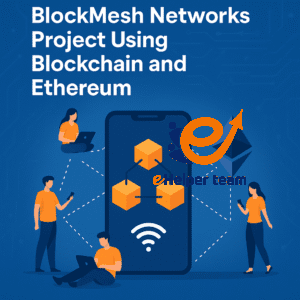


The BlockMesh Vision and Background
The vision of BlockMesh is rooted in the philosophy of decentralization. Instead of relying on large corporations, it allows communities to share resources and take charge of their communication. This is perfectly aligned with what experts describe as the blockchain revolution, the second generation of the Internet that redistributes trust and value across society. Learn more about presenting innovative ideas effectively in this guide.
How BlockMesh Networks Actually Work
BlockMesh uses mesh networking principles, where devices connect directly to one another via Wi-Fi or Bluetooth. Each device becomes a node, passing encrypted information along the chain until it reaches its destination. The self-healing feature ensures that if one path fails, the system automatically reroutes the data. To understand this better, think of it as an advanced form of peer-to-peer networking applied to Internet connectivity. You can explore a similar concept of interconnected systems in this SEO crossover guide.
Decentralization Meets Blockchain and Ethereum
Ethereum plays a critical role in powering BlockMesh. Through smart contracts, it automates transactions, user rewards, and governance of the network. By using blockchain, the system remains transparent and resistant to tampering. For those new to Ethereum, the article Ethereum explained provides an excellent overview of how this technology works.
Investing and ICO
The project was funded through an Initial Coin Offering (ICO), where early investors purchased tokens. These tokens represent both ownership in the network and a medium of exchange within it. The ICO model also allowed the community to directly support the development of the project. If you want to understand ICOs better, this beginner’s guide is a helpful resource.
Current Status and Updates in 2025
This concept hasn’t become mainstream yet, but its vision is still relevant.
Community mesh projects are being tested in rural areas.
Disaster recovery systems are adopting decentralized communication.
Web3 integration shows how similar models can connect with finance and IoT.
Simply put: the world is catching up to what was imagined years ago.
Real-World Applications
This technology can solve real problems today:
Closing the digital gap – cheaper Internet in underserved regions.
Disaster zones – working when towers fail.
Smart cities – IoT devices sharing data efficiently.
Developing countries – skipping expensive infrastructure.
These use cases show how decentralized networks could change both daily life and emergency situations.
Challenges
Like any innovation, there are hurdles:
Scalability – handling millions of nodes.
Battery usage – more connections drain devices.
Telecom resistance – big companies may push back.
Security risks – encryption helps, but threats remain.
Overcoming these challenges is key for adoption.
Future Outlook
Experts see several directions for growth:
IoT integration – smart homes and connected cars joining the mesh.
Partnerships – NGOs and governments using it for affordable Internet.
Hybrid systems – combining with existing telecom infrastructure.
Community governance – token holders voting on upgrades.
Each of these could turn the vision from concept to reality.
Comparison with Traditional Telecom
| Feature | Decentralized Mesh | Traditional Telecom |
|---|---|---|
| Ownership | Community-driven | Corporate-controlled |
| Cost | Low, peer-to-peer | High, data plans |
| Resilience | Self-healing network | Tower-dependent |
| Rewards | Tokens for users | None |
| Privacy | Encrypted, user-first | Often exploited |
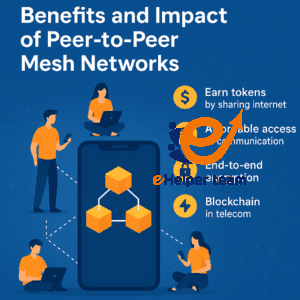
This comparison highlights why decentralized systems are seen as disruptive.
Community Impact
This isn’t only about technology — it’s about people.
In villages without telecom coverage, neighbors can share Internet directly.
Students in remote schools could finally access online learning without expensive data packages.
Small businesses could reduce communication expenses and stay connected with customers.
This community-first model turns connectivity into both a tool for inclusion and a driver of local growth.
Environmental Benefits
Centralized telecom systems require massive infrastructure: towers, cables, and data centers that consume large amounts of energy.
By contrast, a decentralized mesh relies on devices people already own, which makes it:
Energy-efficient → fewer towers, less electricity.
Eco-friendly → reduced hardware requirements.
Sustainable → a greener alternative to traditional telecom.
This approach could significantly reduce the carbon footprint of global communications.
Global Trends Driving Adoption
Several global shifts make this concept more relevant than ever:
Web3 adoption → users are demanding more control over their data.
Digital inclusion → governments are aiming for universal Internet access.
Remote work and online learning → communities require affordable, reliable connections.
Resilience → disasters and conflicts highlight the need for backup communication systems.
Together, these trends create the perfect conditions for decentralized networks to thrive.
Frequently Asked Questions (FAQs) about BlockMesh
1. What is BlockMesh in simple terms?
BlockMesh is a community-driven network where devices connect directly, sharing Internet without telecom towers.
2. How does it work technically?
Devices act as nodes.
Data hops from one node to another.
If one path fails, the network self-heals.
3. Is BlockMesh secure?
Yes. All communications use end-to-end encryption, protecting privacy.
4. What are Mesh Tokens?
They are digital rewards. Users earn them by sharing unused Internet.
5. When did the ICO happen?
The BlockMesh ICO launched in February 2018, giving early investors discounted tokens.
6. Can BlockMesh help in emergencies?
Absolutely. It works even if telecom towers fail, making it ideal for disaster zones
Conclusion – The Future of Decentralized Networks
This movement demonstrates how blockchain and mesh networking can be combined to create a fair, community-driven Internet. It reduces costs, ensures security, and rewards users for sharing resources. More importantly, it reshapes ownership, giving power back to people rather than corporations.
The future of communication may very well be decentralized, and projects like this show us that it’s not just possible—it’s already underway.